


PRESENTS
Cloud Forests
Living Laboratories at the Edge of the Sky
Writing and Photography by Emily Carter
As a wildlife conservation photographer, I’ve had the privilege of traveling to some of the world’s most remote natural landscapes. Among the most magical and mysterious places I’ve experienced are the cloud forests that cloak the mountains of Central and South America.
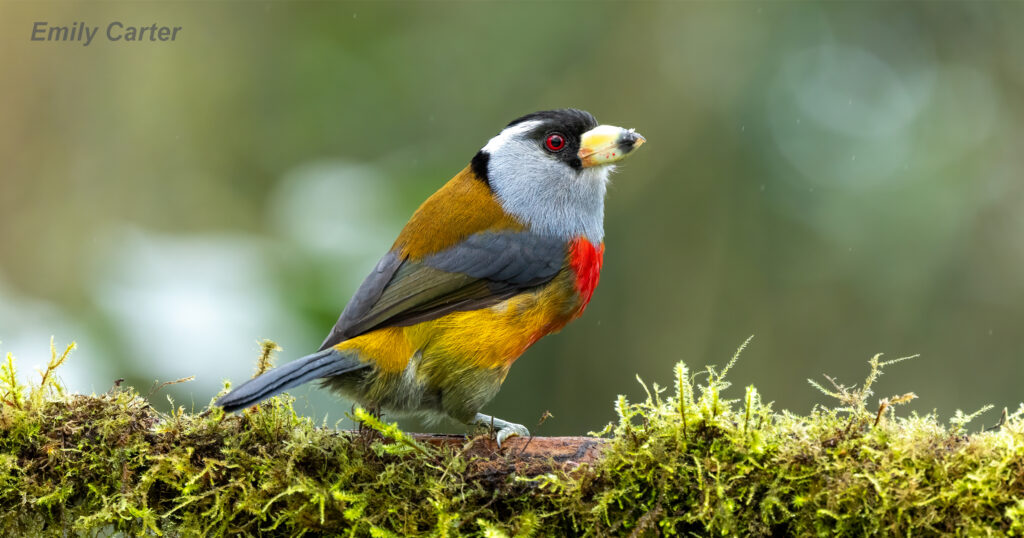
Found at elevations ranging from roughly 3,000 to 8,000 feet, these remarkable habitats exist where clouds cling to mountainsides and moisture saturates the landscape. Cloud forests are among the most biodiversity-rich ecosystems on Earth, harboring an extraordinary concentration of endemic plants, animals, and birds. Although they occur in more than 60 countries worldwide, they are most commonly found in Latin America, Southeast Asia, and parts of Africa.
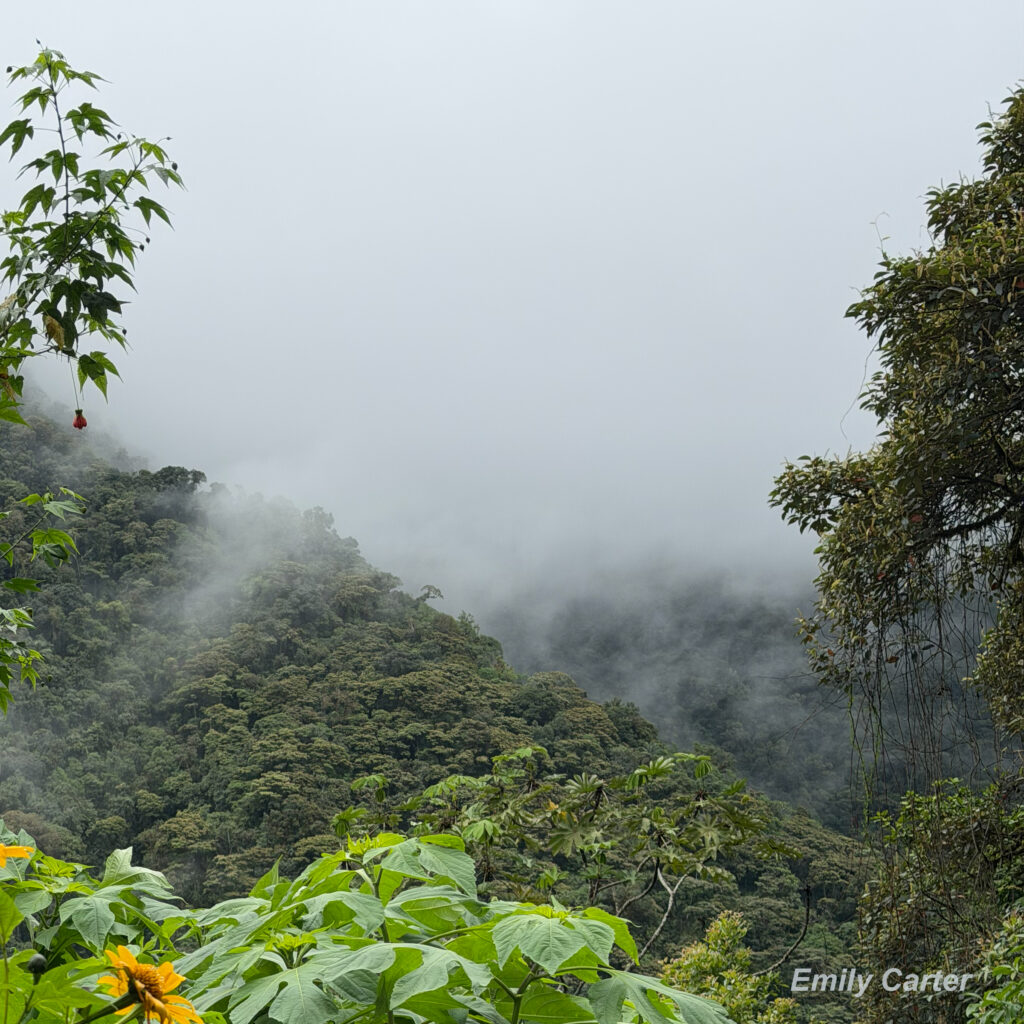
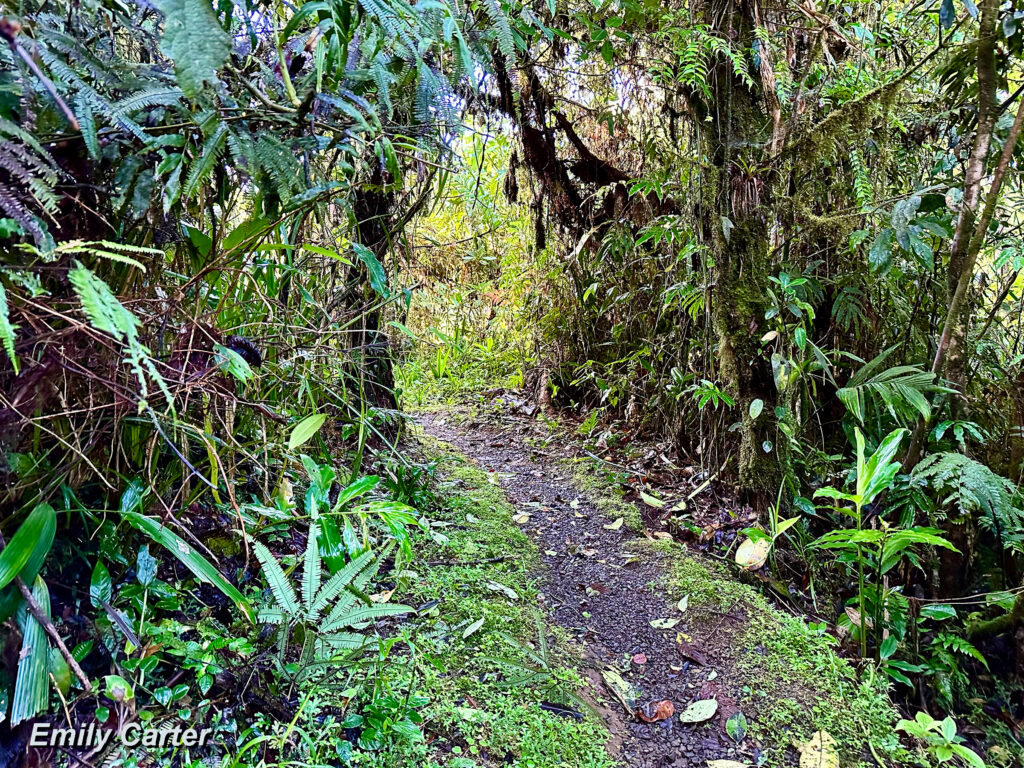
Within the cloud forest, trees are often spindly, towering, and draped in layers of life. Vines twist around their trunks, while orchids and bromeliads adorn their branches like jeweled brooches. Sinuous aerial roots sometimes hang from the canopy, and nearly every available surface is carpeted in vegetation.
Once among the trees, the humidity becomes immediately apparent. The sky, visible through gaps in the canopy, often appears bleached white because you are literally standing within a cloud. Water defines the cloud forest experience. It drips from moss-covered branches, cascades from the canopy, gathers in pools and broad leaves, and saturates the thick layer of leaf litter covering the shadowy forest floor.
At times, you can watch clouds unfurl and drift across densely forested gorges and valleys. Warm air rising from lowland regions collides with mountainous terrain, condensing into mist that wraps itself around the landscape in an ever-changing veil.
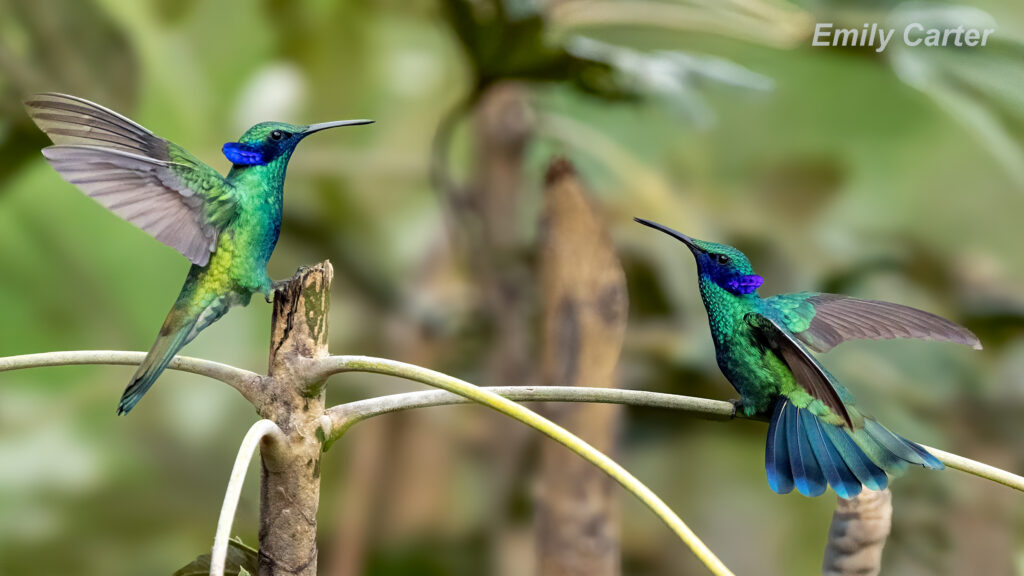
Though cloud forests account for less than one percent of the world’s forests, they support an estimated 15 percent of global biodiversity. One of the finest examples can be found in Ecuador, where a nearly continuous band of cloud forest stretches along much of the country’s mountainous spine. The steep terrain has limited large-scale settlement and agriculture, helping preserve vast areas of intact habitat.
Today, private reserves and conservation initiatives protect significant portions of these forests from logging and development, making them among the country’s best-preserved ecosystems and prime refuges for some of Ecuador’s rarest and most spectacular bird species.
Over the past two decades, Ecuador has pursued a multifaceted approach to cloud forest conservation:
Community-Based Ecotourism
Destinations such as Mindo and the Tandayapa Valley generate sustainable income for local communities by promoting wildlife tourism rather than land clearing or cattle ranching, creating direct incentives for forest preservation.
Reforestation and Agroforestry
Conservation programs focus on restoring degraded landscapes through the planting of native and threatened tree species while supporting sustainable agroforestry practices that benefit local families.
Research and Biological Stations
Protected areas and biological reserves employ local staff, scientists, and volunteers to safeguard critical habitats, monitor biodiversity, and contribute to the discovery of new species.
Global tropical cloud forests are living laboratories of evolution, climate, and adaptation. Far more than beautiful landscapes, these ecosystems sustain biodiversity, regulate water cycles, store carbon, support local communities, and inspire a profound sense of wonder. Protecting them is essential not only for the species that call them home, but for the health and resilience of our planet as a whole.
Writing and Photography by Emily Carter
– – –

Insight and spirit with scenery and narrative from the photographer behind the breathtaking images.
