

Very Important Predators
PRESENTS
Sleek Reef Sharks
Written by Billy Timms
Photography by wildlife and underwater photographer Taylor Cunningham of Hawaii
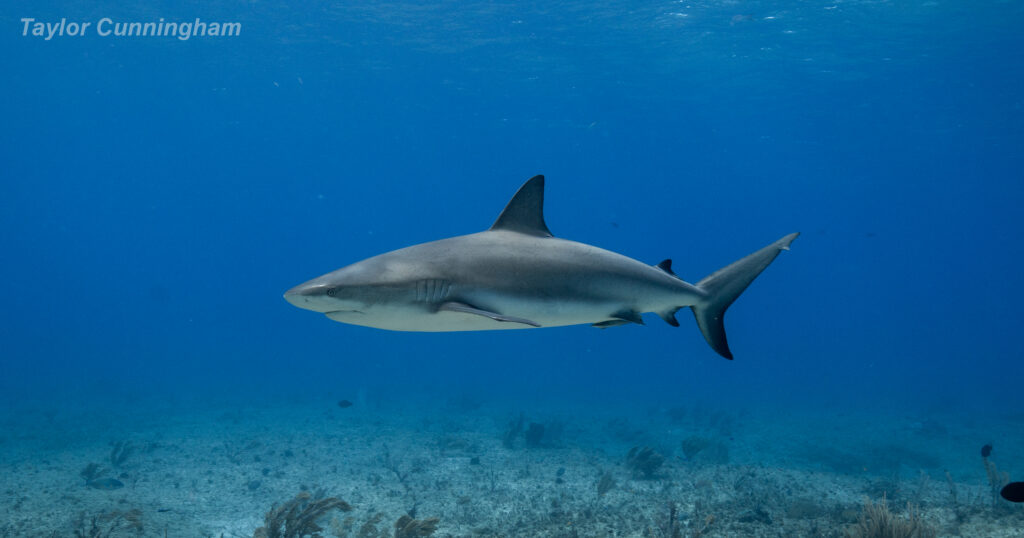
When it comes to Very Important Predators, reef sharks rank among the most significant of the aquatic species. While the term “reef shark” could refer to over 100 different species living amidst the coral reefs of the world, there are five true reef sharks: the Caribbean, blacktip, gray, silvertip, and whitetip. The life cycle of reef sharks is typically 13 to 24 years; this includes a nine to fourteen-month gestation period, followed by adulthood at around four to nine years.
The presence of reef sharks creates an ecological phenomenon known as the “landscape of fear,” in which many marine species alter their behavior to reduce the risk of predation. These alterations include changing where they feed, when and where they are active, or how they move throughout the reef. Reef sharks drastically affect the environment around them by regulating smaller-level predators and encouraging healthier feeding behaviors among other marine life, which, in turn, helps to keep algae from overrunning the ecosystem.
Reef sharks are agile hunters with sleek aerodynamic bodies built for speed and maneuverability. They are opportunistic carnivores that regularly feed on cephalopods, crustaceans, and fish, but will take birds, eels, snakes, and even other small sharks if given the chance.
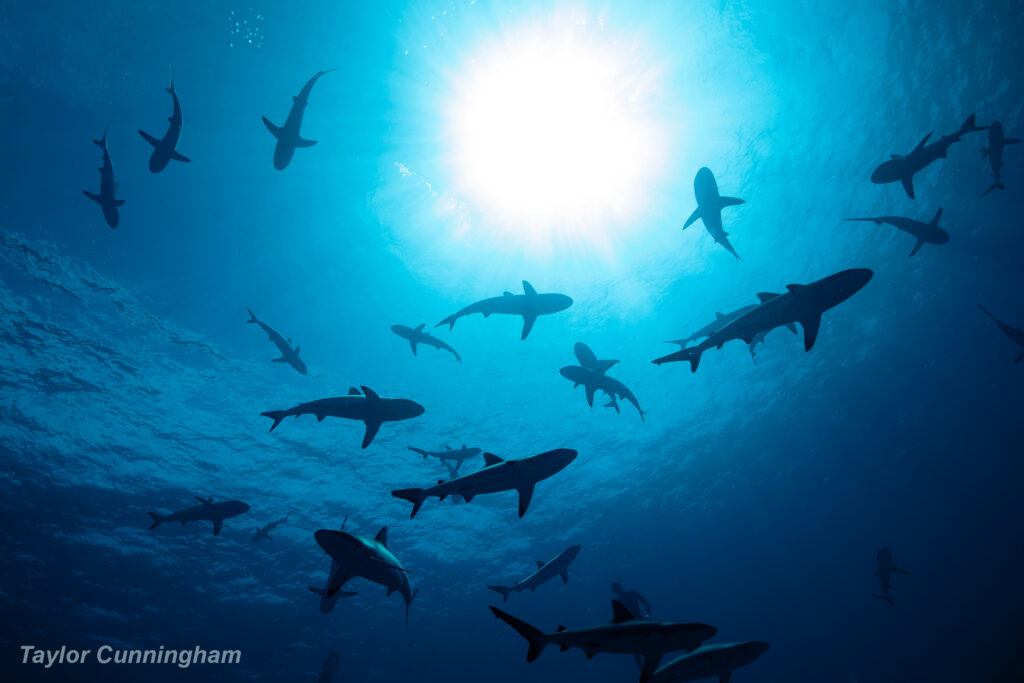
Depending on the species of reef shark, they will hunt alone using electroreception and their excellent sense of smell to detect prey in reef crevices and underwater caverns or will often use coordinated group hunting tactics when seeking schools of fish in open waters.
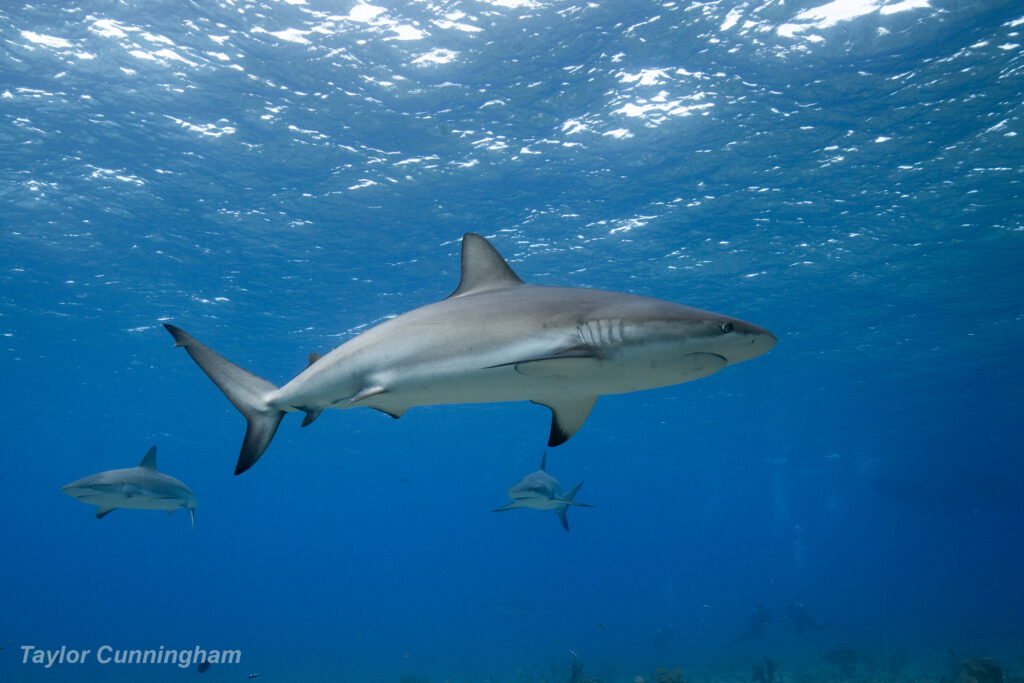
Reef sharks are the apex predators of coral reefs, and, as such, are reliant upon this diverse ecosystem. Coral bleaching, a stress response within the coral reef that happens when coral expels its colorful algae as it becomes toxic under hotter temperatures, affects the health of smaller species, which then affects the amount of food available for reef sharks.
Reef sharks are highly sought by fishermen for their fins, meat, and liver oils. Their populations have decreased considerably over the past fifty years due to loss of habitat and overfishing. Many species are listed as threatened or endangered. Conservation efforts focused on habitat protection and fishery management have brought some populations back. However, their recovery is a slow process. Typically, breeding will occur once every two years, producing one to six pups with each pregnancy.
Protecting reef sharks is extremely important because they are keystone species in coral reefs and marine ecosystems, controlling mid-level predator populations and keeping algae dominance in check.
Reef Sharks
Photography by Taylor Cunningham

Our VIPs are critical for ecosystem health and stability. They are the masters of land, sea, and sky, the balancers of environments, and the most important predators on Earth.
