


Very Important Predators
PRESENTS
Ice Bears
By Billy Timms
Photographs by expert wildlife, nature, and travel photographer Michael S. Nolan of Tucson, Arizona
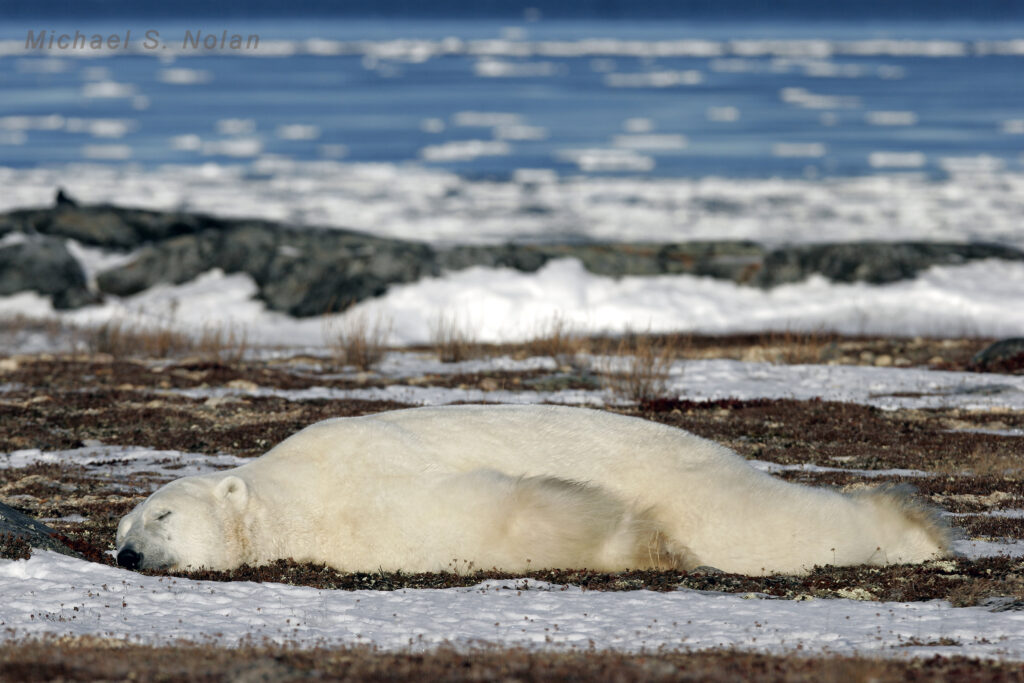
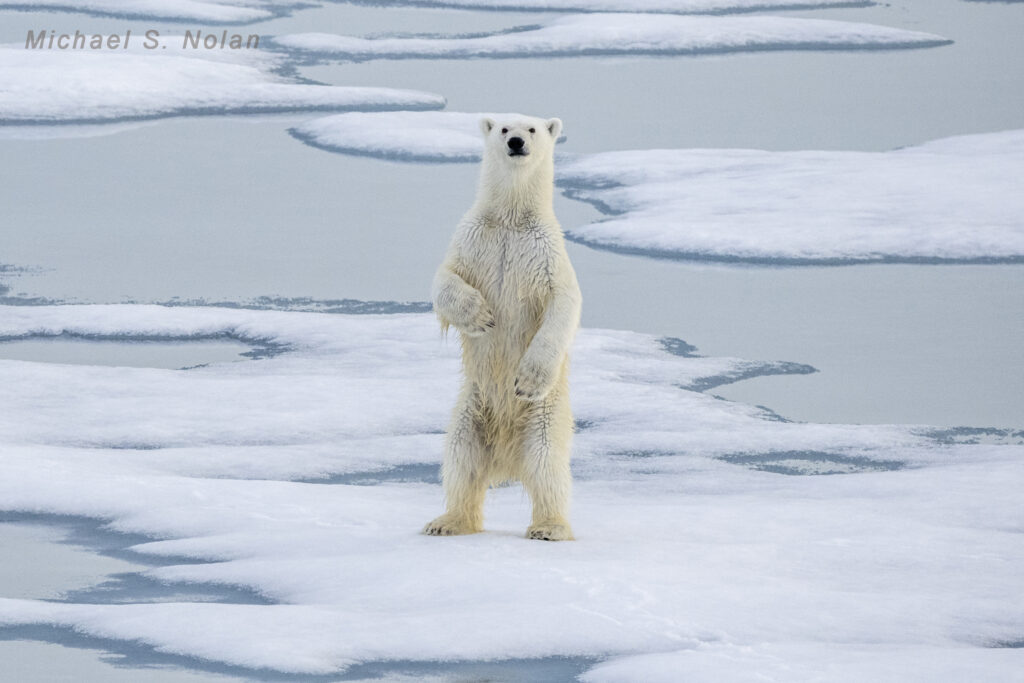
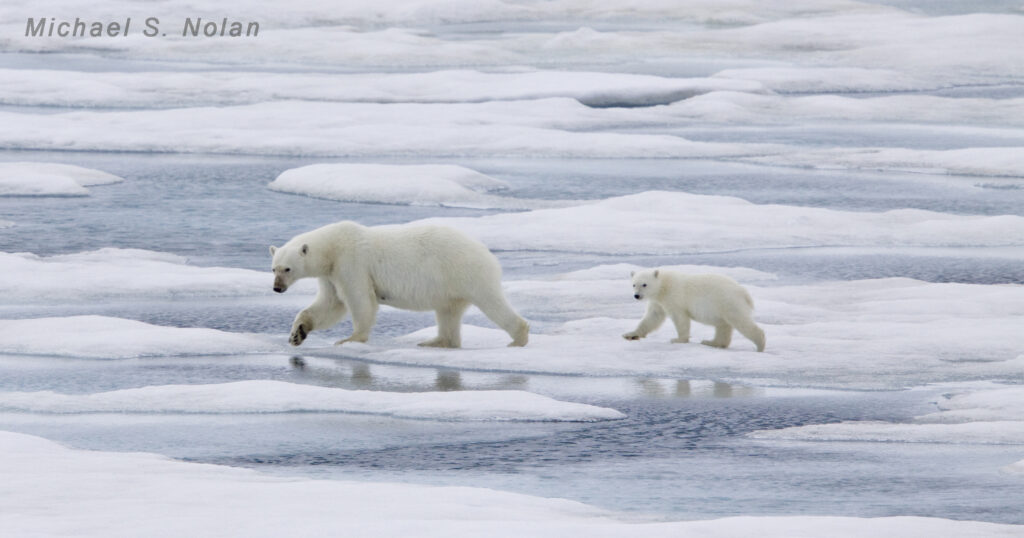
As the largest predators on land, many polar bears stand over ten feet tall with paws a foot wide and claws the size of a man’s finger. Despite their enormous size, they are surprisingly fast, with sprint speeds up to 25 miles per hour. Once they catch their prey, they finish with the strongest bite force of all bears. Often leaving behind the carcasses of their prey, the feeding habits of polar bears are critical to the sustenance of scavenger and carrion species.
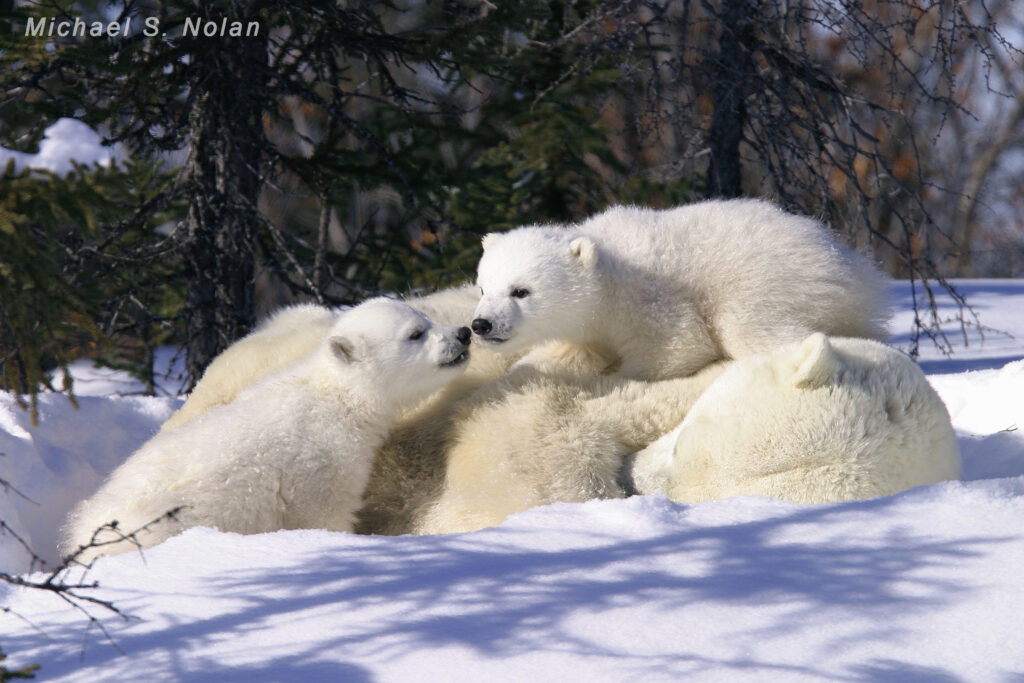
These massive creatures are known to be solitary. However, mother polar bears are extremely protective of their cubs while nurturing and mentoring them for the first few years of their lives. Faced with starvation and predation of older male bears, cubs will remain with their mothers until they reach sexual maturity, between 2 and 3 years old.
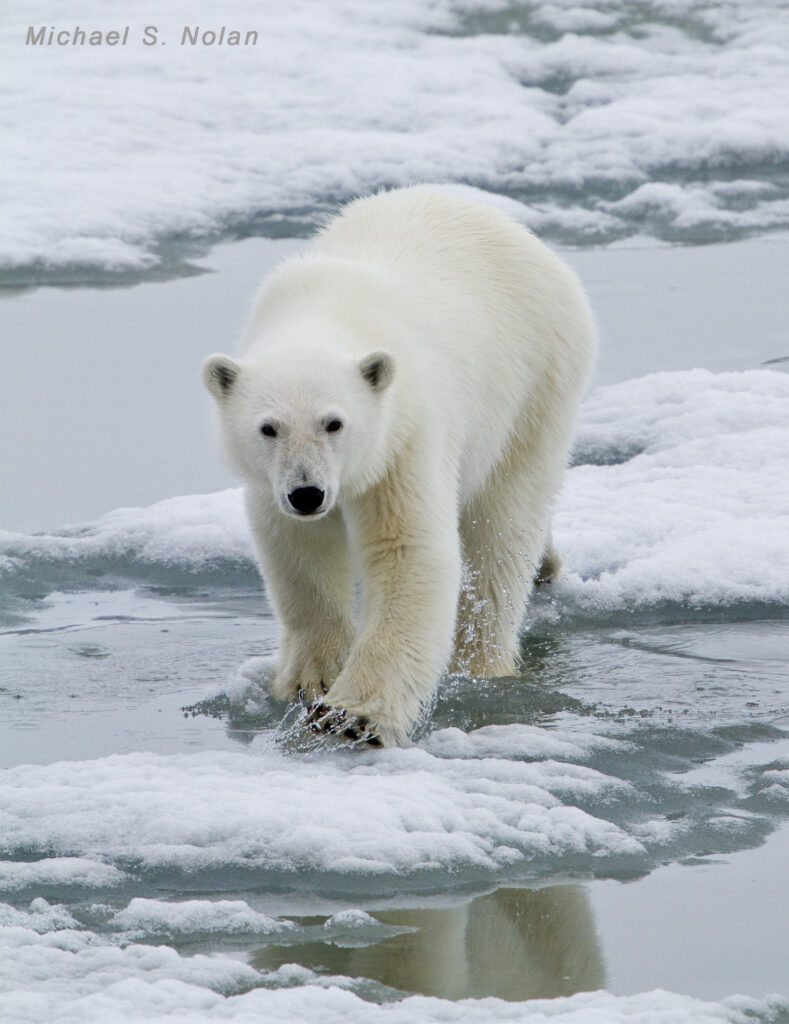
The greatest threat facing polar bears is the rapid loss of sea ice. Due to its melting and fragmentation, polar bears are losing their natural habitat where they primarily breed, hunt, and sleep at an alarming rate.
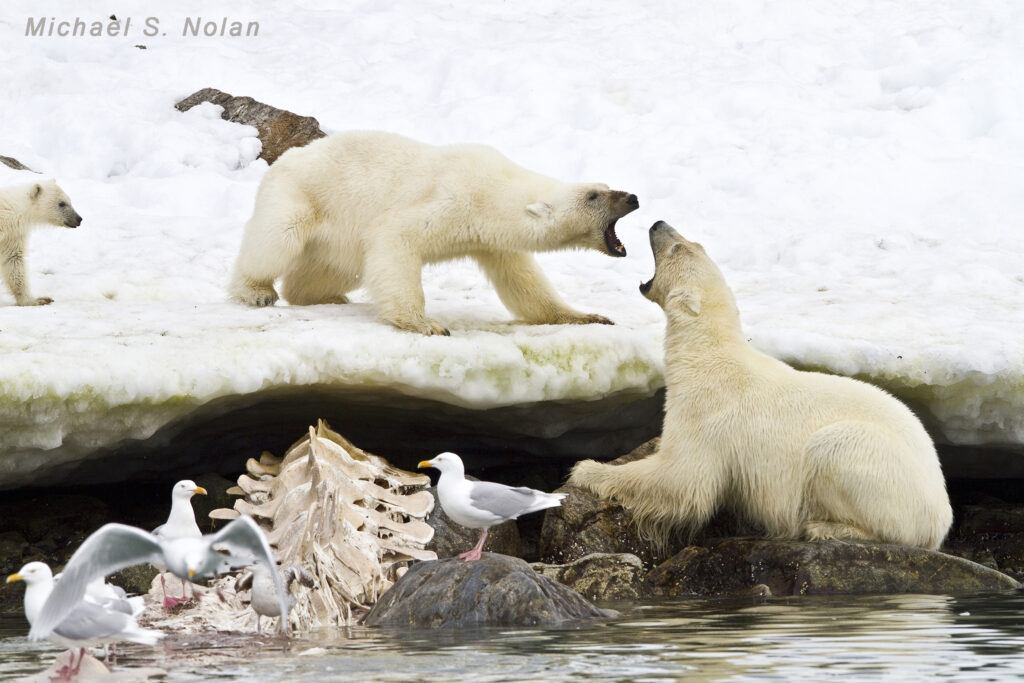
As their sea ice melts, they have no choice but to spend more time on land, where competition for food can be intense.
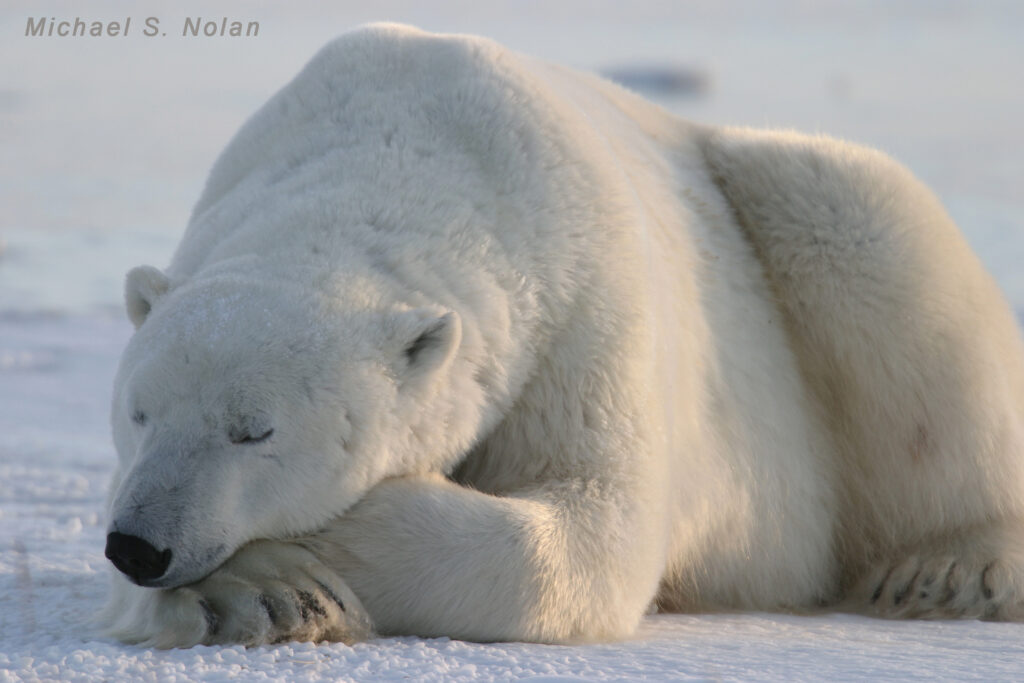
Many polar bears are being forced to spend more time hunting on wild land or swimming farther out at sea, while more and more are entering arctic towns where they forage for food in garbage, posing a significant risk to both man and bear.
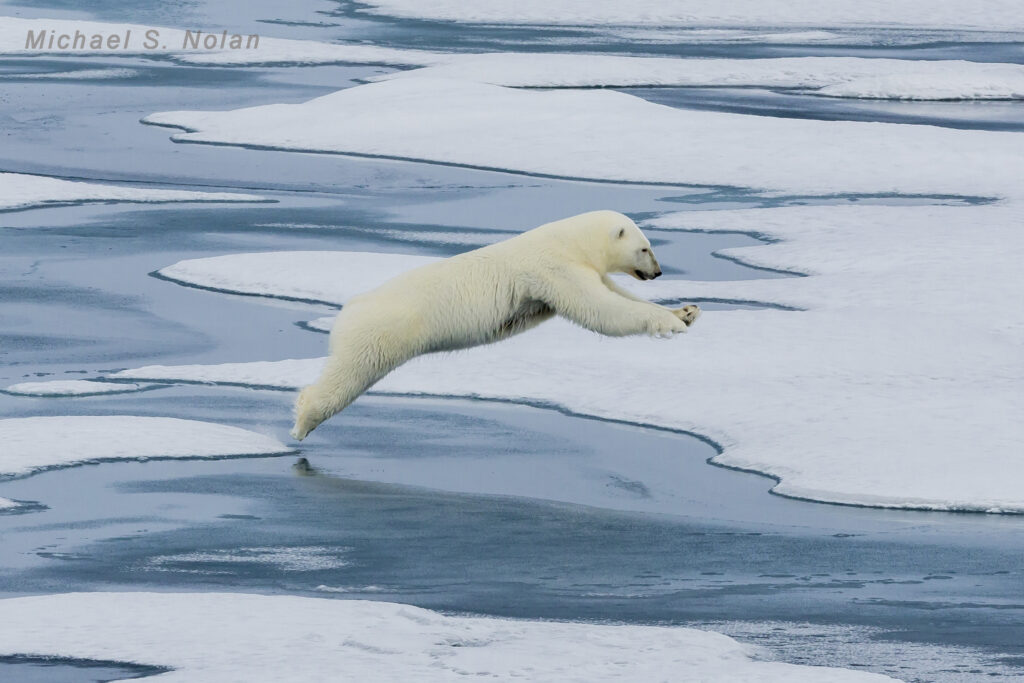
By learning more about polar bears and how humans can help, we may just be able to make a difference.
Photographs by Michael S. Nolan
– – –

Our VIPs are critical for ecosystem health and stability. They are the masters of land, sea, and sky, the balancers of environments, and the most important predators on Earth.
