


Primeval Survivor
PRESENTS
Ageless Jellyfish
By: Katelin Kukk
Photography by Mike Taylor of East Kent, England
Older than dinosaurs, the jellyfish, part of the cnidarian phylum, is more than 500 million years old. It is also one of the most mesmerizing creatures to watch, gracefully and peacefully floating up and down in the water. These animals are comprised of 95% water and seem to glide carelessly throughout the open sea. One of the things you will discover while reading this article is that the nature of these creatures is quite complex.
Appearance
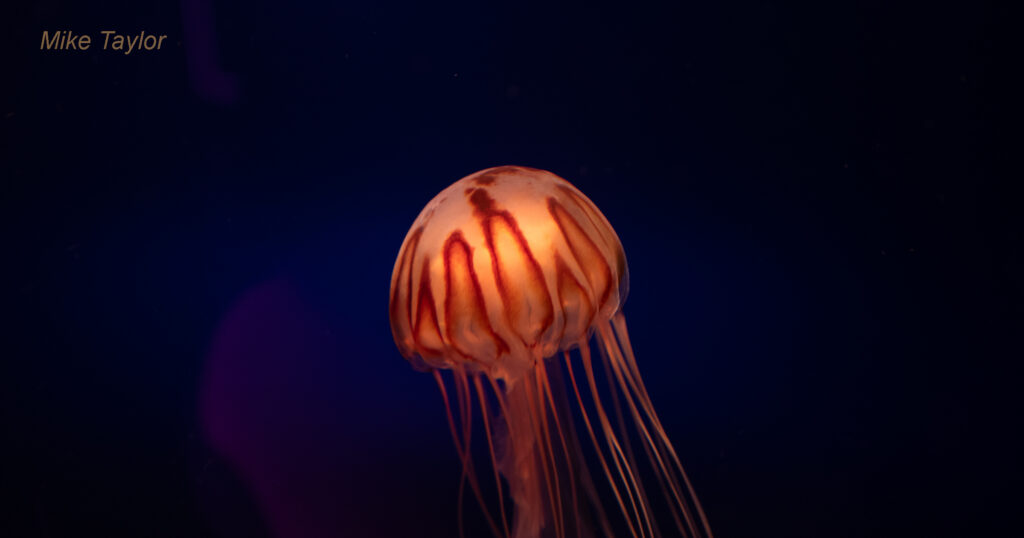
Jellyfish can be any size, from a minuscule 0.5 mm to over an enormous 2 meters (6ft 7in.) and come in a variety of colors. Their gelatinous bell-shaped bodies are made up of three layers: an epidermis, a mesoglea, and an endoderm gastrodermis. They typically have tentacles below, with the exception of comb jellies (ctenophores), which have rows of cilia. Cilia are tiny hairlike structures usually found in large quantities on an organism to help propel it. Jellyfish are nearly translucent, and you might have noticed they don’t have teeth, fins, a heart, or even a brain, for that matter.
Behavior
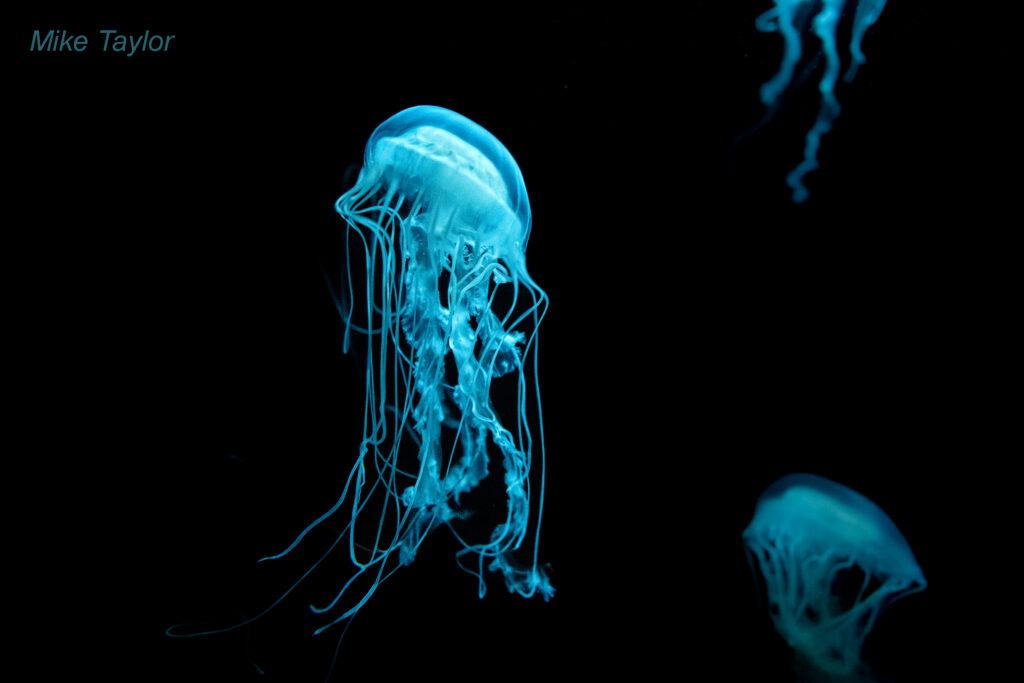
Since jellyfish have no brain, they are equipped with a specialized decentralized nervous system of sensory receptors called a nerve net that receives environmental input, guiding the contractions of their bodies, slowly propelling them through the water. They also have light and balance sensors enabling them to determine the amount of light present and the direction they are moving. With the help of their nematocysts (stinging cells), they catch prey such as plankton, crab, fish, or even other jellies.
History
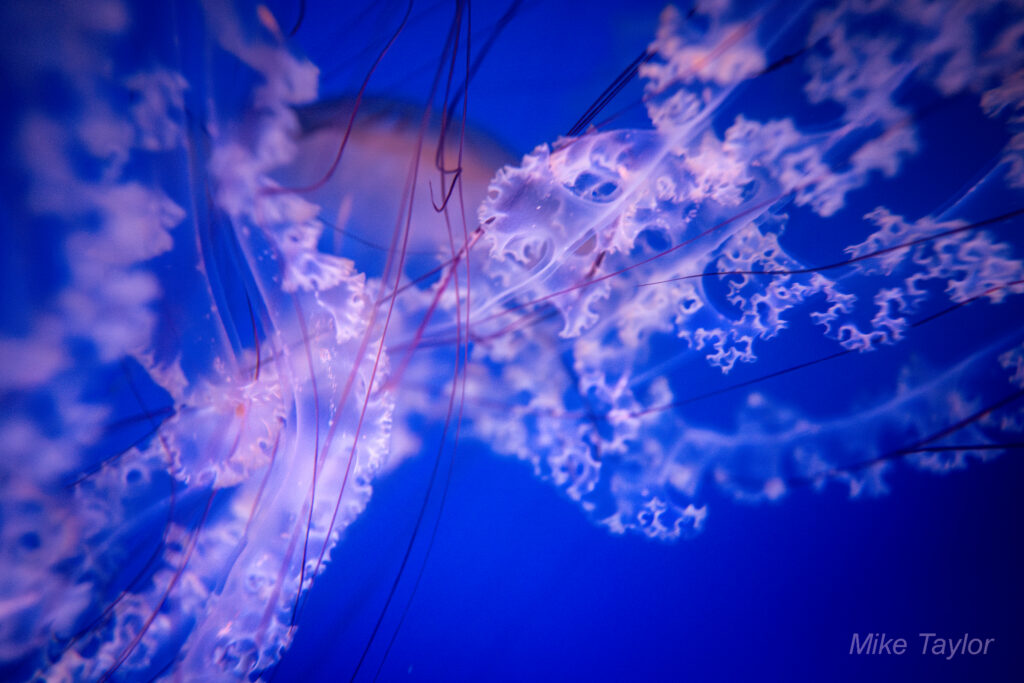
Jellyfish are believed to have been on this earth for more than 500 million years. The oldest known species, called Burgessomedusa phasmiformis was recently discovered and identified at Burgess Shale in Canada. This jellyfish is 505 million years old and was described to have a large bell-shaped body and 90 short tentacles. It could have captured large prey and has shown that the Cambrian food chain was more complex than researchers imagined. This was an amazing and rare discovery due to their delicate nature.
Conclusion
Jellyfish are an incredible species that there is still little known about. Research is constantly being conducted to help uncover more information, but their sensitivities and biological complexity can make it quite challenging. The discovery of the prehistoric jellyfish Burgessomedusa in Canada has helped scientists develop a better understanding of the timeline of their existence and their ancestors. As time goes on, may we continue to appreciate the beauty of these primeval survivors and watch them live for a million more years.
Ageless Jellyfish
Photography by Mike Taylor
– – –

Spectacular creatures roamed the earth in the time long before the history of man. Species alive so far in the past, the only traces we find today are bits of rock and stone. Ages faded to dust in the wind. Yet there are those who remain. We call them Primeval Survivors. Do these remnants of the past hold the secrets of the ages?
