


The Biome Post
PRESENTS
Rainforests
Written by Ayden Planker
Wildlife photography by Chien C. Lee of Kuching, Sarawak, Malaysia
Vibrant, warm, and full of life, the rainforest is one of Earth’s most iconic biomes. Recognizable by its diverse and unique wildlife, this biome earns its name from the truly extraordinary amount of rain it experiences every year. Compared to the continental United States, where the wettest regions receive an average annual rainfall of little more than 30 inches per year, the annual average of the world’s tropical rainforests, 74 inches, is no small sum.
This heavy rainfall is a great motivator for plant and animal life, and with their unique ecology, rainforests are well known to be bastions of life and biodiversity. Scientific estimates state that as much as seventy-five percent of all of Earth’s living species can be found in its rainforests, so as we look at this remarkable biome, we’ll also look at the many species that call it home.
The greater part of the rainforest’s wildlife can be found in its canopy, with an estimated fifty percent of all Earth’s plant species residing there. Along with wide, dense treetops, clinging plants like vines and flowers grow rampant here, forming a sort of ceiling to the forest that traps moisture and provides ample shade to the levels below. Odd as it may seem, the canopy is an extremely important part of Earth’s ecology, so important that the scientific field of dendronautics is dedicated entirely to its study. Dendronautics uses airships or aerial platforms to access the forest canopy for scientific study.
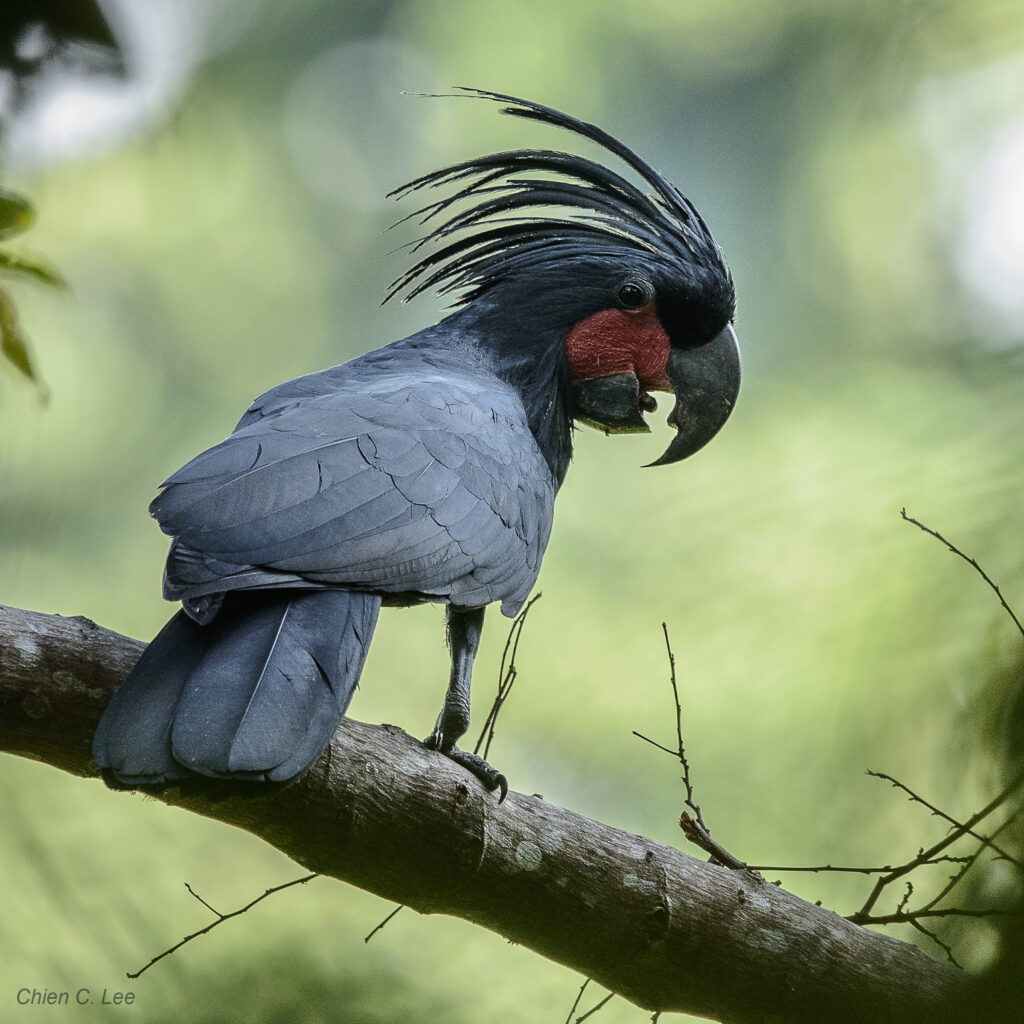
Just like plants, many animals call this level of the forest home. According to the World Wildlife Fund, nearly 3,800 species of birds live in rainforest canopies. Some of these are of a more exotic variety, like toucans, parrots, or the Palm Cockatoo seen here, while others are more familiar, like vultures, eagles, and hawks, who call these regions home for at least part of the year.
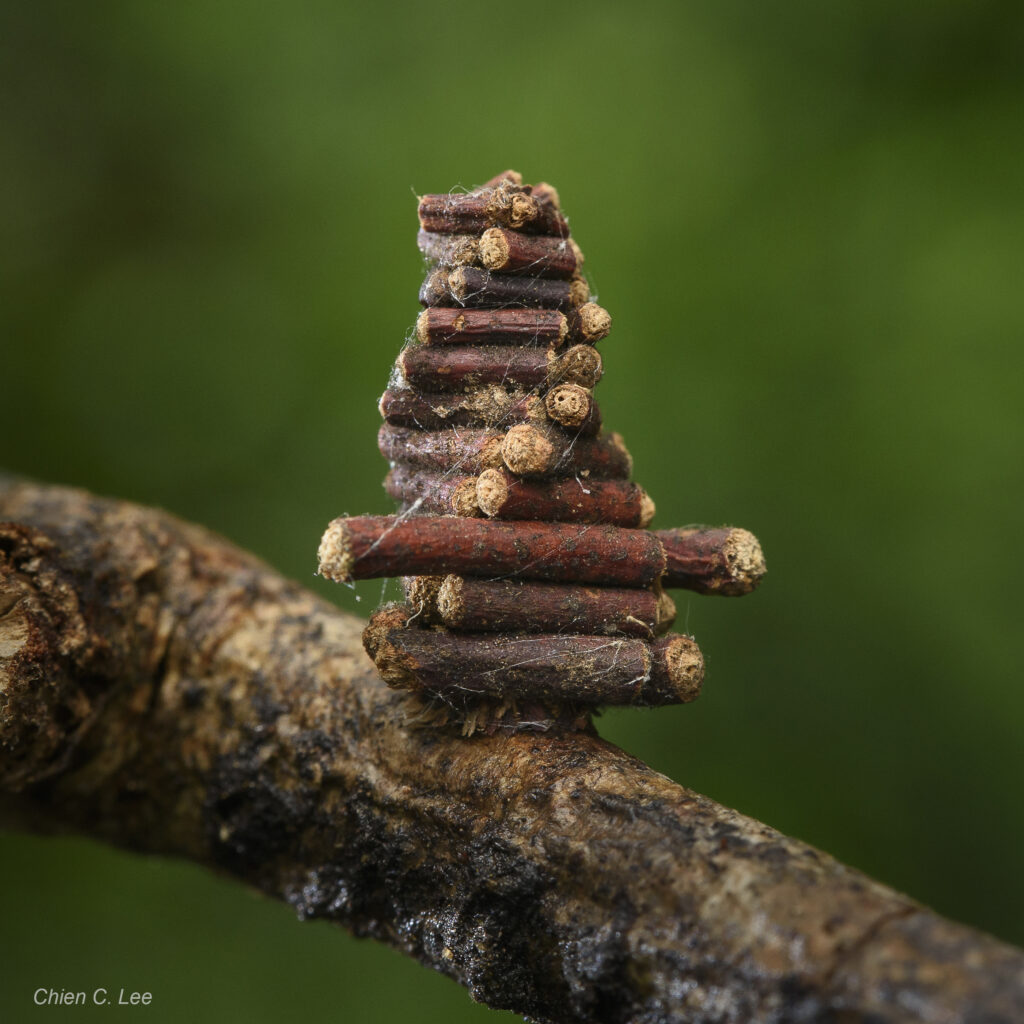
Not only are the world’s rainforest canopies home to many of its birds, they are also home to a quarter of all its insects. Considering insects represent more than half of all animal species on earth at more than one million in all, this is no small crowd. To survive in this environment, many have evolved unique traits and habits, like the leaf katydid, who bears a near indistinguishable resemblance to a common leaf, the Goliath Birdeater, a tarantula (spider) that can grow to nearly a foot in size, or the bagworm moth pictured here.
As caterpillars, bagworms use their silk to spin bits of plants or soil into protective cases for themselves. These cases provide them with shelter, camouflage, and stylish new mobile homes. They expand these miniature cabins as they grow, using their silk to bind them to trees and other surfaces whenever they need some rest.
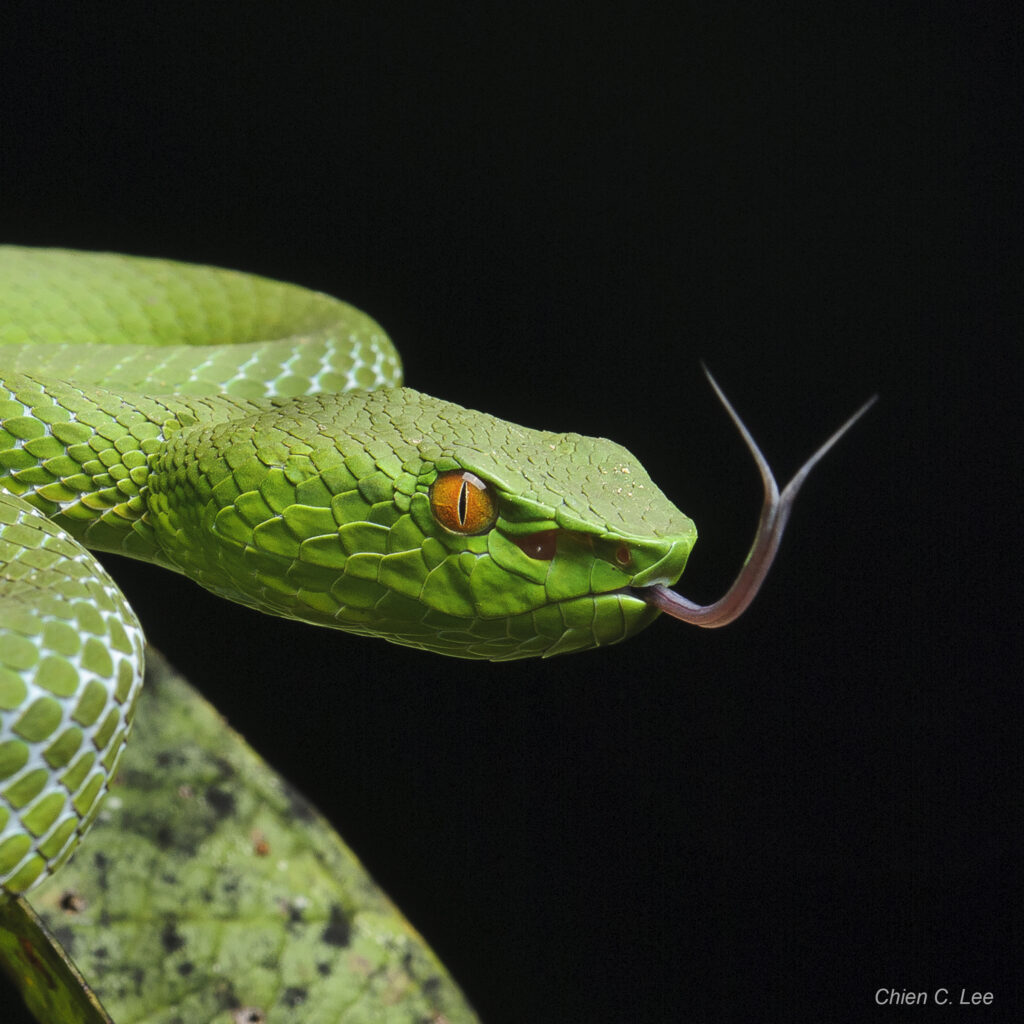
Further down, you’ll find the understory. Like the canopy, this level is home to many birds and insects, but it is also home to mammals, amphibians, and reptiles like the Sabah pit viper shown here. This species is considered endemic to the rainforests of Borneo, an island found in Indonesia, meaning it naturally occurs nowhere else. At this level of the rainforest, plants often grow larger leaves to capitalize on the mere five percent of sunlight that passes through the canopy to reach them. Many of these plants reach the end of their growth here, locked in competition with each other, but along with smaller plants and fungi, offer a fine shelter to many rainforest residents.
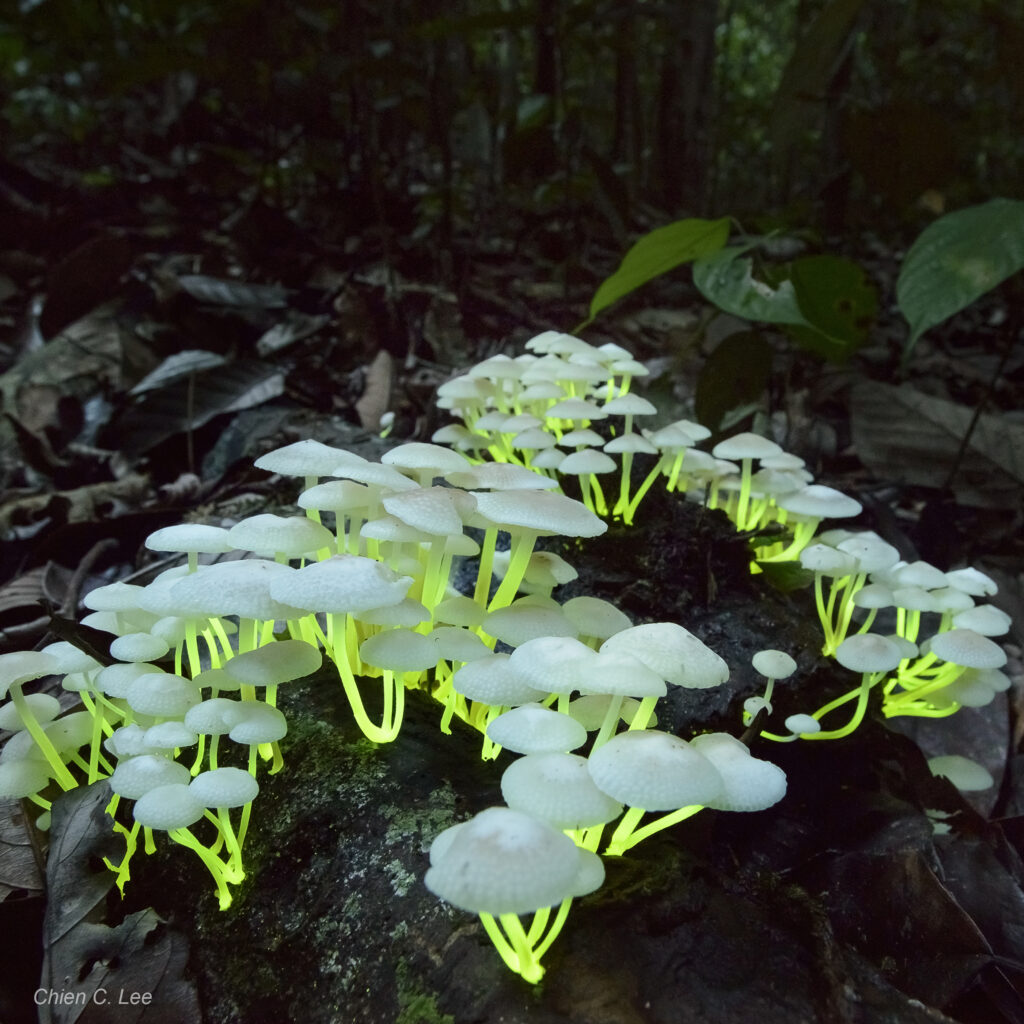
Beneath the understory is the forest floor. Unlike the rainforest above, the floor is largely “dead”, covered in damp leaves and little else. Only two percent of sunlight can reach this level, and with the exception of the rare clearings where the sun can shine, there aren’t many plants to see. Fungi, however, thrive here, feeding on decomposing plant and animal waste.
It is this region of the rainforest that is of the most concern for the biome’s survival. The rainforest floor is, contrary to what one might believe based on the lush flora above, nearly devoid of nutrients. Heavy rainfall, clay-heavy composition, and aggressive decomposers all lead to infertile soil, and while this is perfectly natural to the biome, it is a great threat when humanity gets involved. While rainforests have much to offer in biodiversity, they aren’t conducive to domesticated crops or livestock. This has led to the cutting back or burning of rainforests across the entire planet, intended to make room for agriculture. However, this is an extremely wasteful process and a very short-term solution.
The poor soil-quality of rainforests means that this new farmland will only be operable for a few years at most before more must be cleared, and as no meaningful steps are being taken by the world’s governments to curb the estimated 15 to 21 million acres of clearance made every year, this poses a massive threat to Earth’s wildlife. With research from the American Association for the Advancement of Science indicating that nearly half of this annual clearance sees no eventual use at all, it is extremely evident that humanity needs to put its foot down when it comes to our rainforests.
Wildlife photography by Chien C. Lee of Kuching, Sarawak, Malaysia
Be Conservation-Minded, People!
– – –

The Biome Post highlights the most fascinating facets of the natural world, taking us underwater, under snow, underground, and undercover, for the most remarkable life as we know it.
