

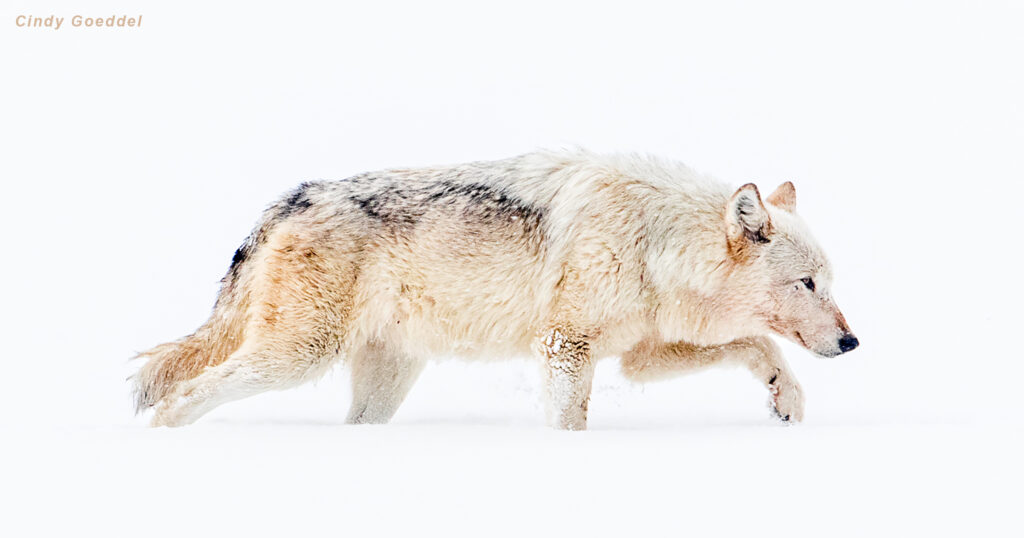
National Park Scene
PRESENTS
Yellowstone Wolves
Yellowstone National Park
There is a natural treasure where southeastern Montana, eastern Idaho, and northwest Wyoming meet. Here, the world’s first national park covers nearly 3,500 square miles of the region’s high-elevation volcanic plateau. Yellowstone.
The land where Yellowstone is today was once an epicenter of indigenous culture with permanent residents, seasonal inhabitants, and natives from over two dozen tribes traveling to the area for industry and trade. There, humans and wolves lived in harmony for thousands of years, each taking only what they needed from the land.
In the late 1800s, European settlers moved into the region, bringing livestock and building agricultural infrastructure, which rapidly led to a decline in the prey animals that wolves relied upon. This decline in prey forced wolves to target livestock. Humans responded by introducing harsh and inhumane eradication efforts, including hunting bounties and poisoning. These widespread extermination practices began in the late 1800s and continued into the early 1900s. In 1926, hunters eliminated what they believed to be the last remaining wolf pack in the Yellowstone region.
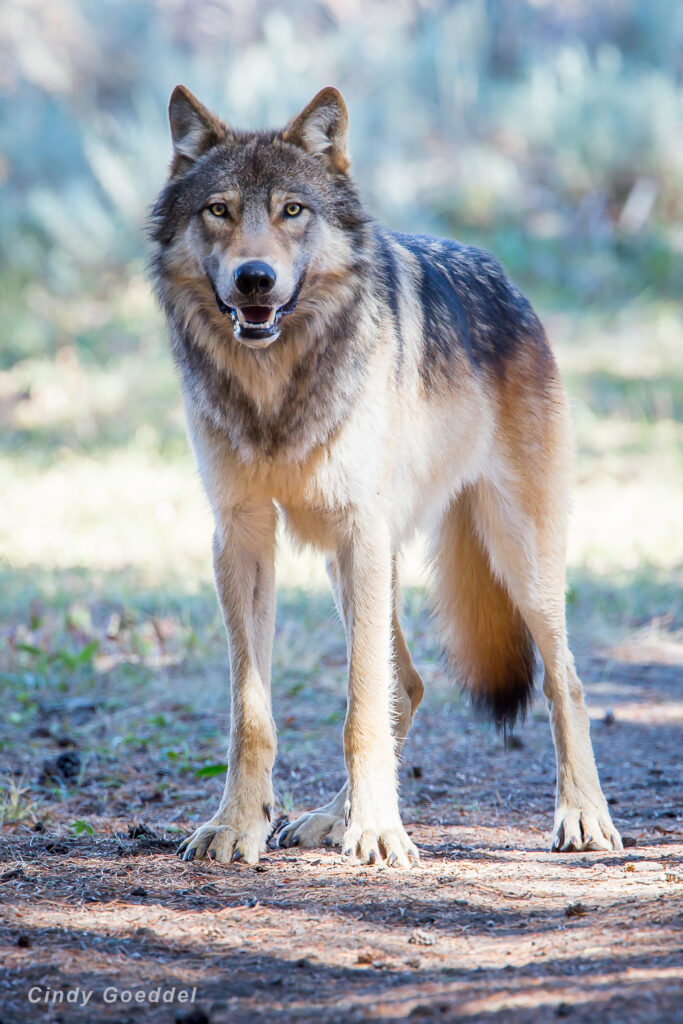
Before human eradication and eventual conservation attempts, there was no data collected on the wolf population. However, experts estimate that 200 years ago, there were approximately 300-400 wolves living in the Yellowstone area.
Fossils found in the region hold evidence of wolf activity going back thousands of years. Wolves in Yellowstone were from a subspecies scientifically known as Canis lupus irremotus, or more commonly referred to as the Rocky Mountain Gray Wolf.
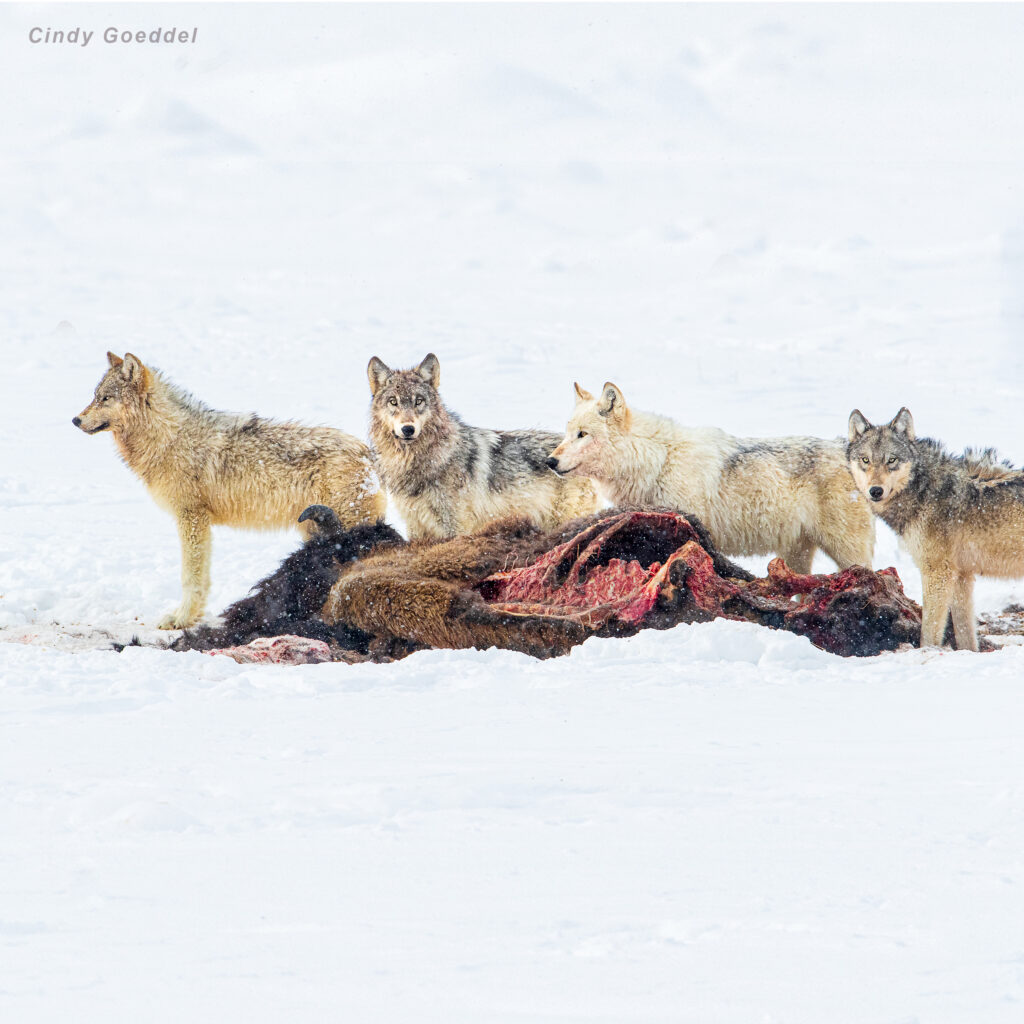
During the 1960’s, the National Park Service’s policy was to allow populations to manage themselves with no intervention. However, conservation efforts in the 1970’s led to an ecological survey in the region. This intense and widespread survey revealed no evidence of a wolf population in the entire region. Occasional sightings in the years that followed were always of individual wolves and never of a breeding pair.
Growing awareness across the United States began to build support for conservation efforts and led to policy changes like the 1973 Endangered Species Act. Evidence of the wolves being nearly extinct in the region enabled the grey wolf to be placed on the endangered species list in 1974. By 1978, all wolf subspecies, excluding those in Minnesota, were added to the list. Prior to any conservation efforts, the topic of supporting wolves was a polarizing debate. Many conservationists fought to support wolf reintroduction efforts to the region, while others still feared the wolves and the effect they might have on people and livestock.
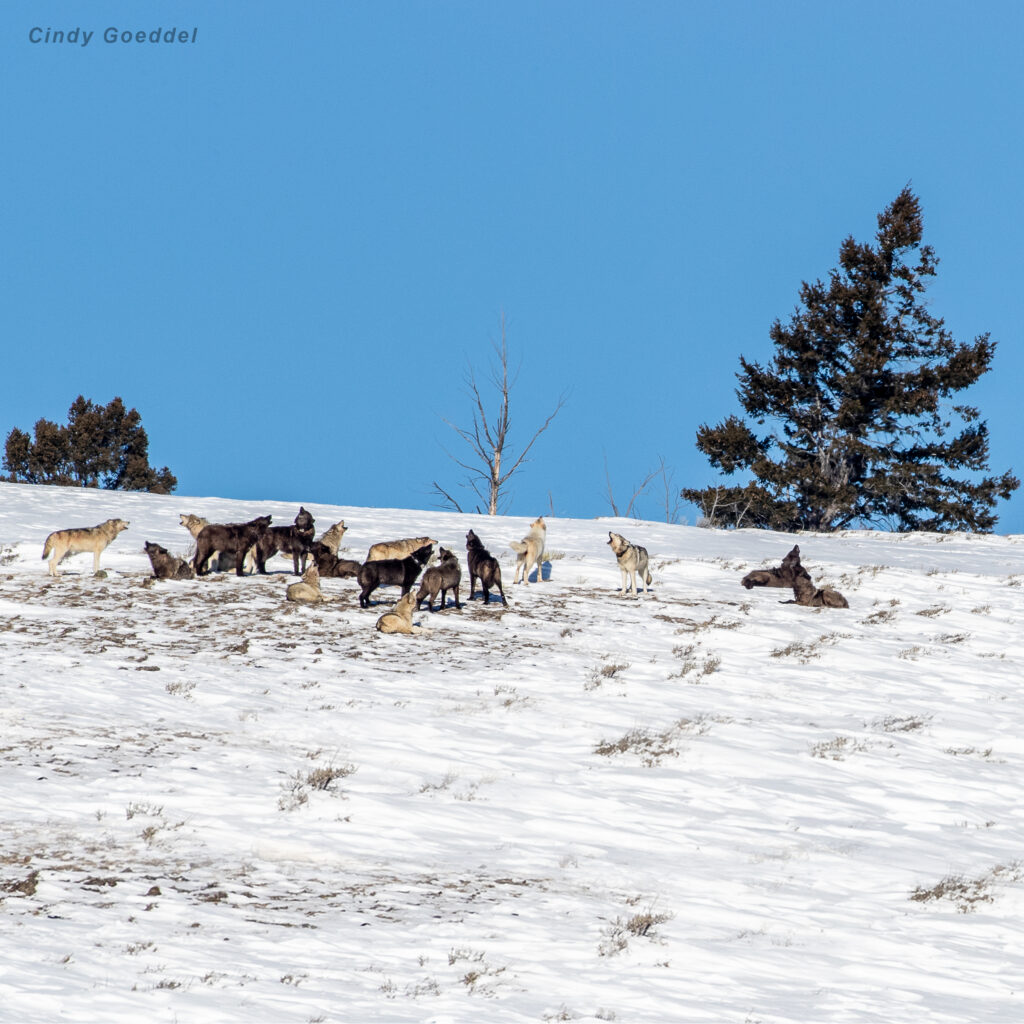
In 1987, the first “experimental population” of wolves was reintroduced to Yellowstone. In 1991, Congress granted funding to the Fish and Wildlife Service to prepare an Environmental Impact Statement on wolf reintroduction and conservation efforts. The Secretary of the Interior signed a Record of Decision in 1994 approving a wolf reintroduction effort, and a five-year plan was created. From 1994 to 1996, wolves were captured in Canada and relocated to Yellowstone and Idaho. Relocated wolves ranged in age from 9 months to 5 years old, and their sizes varied from 70 to 130 pounds. Each wolf was fitted with a radio collar upon relocation.
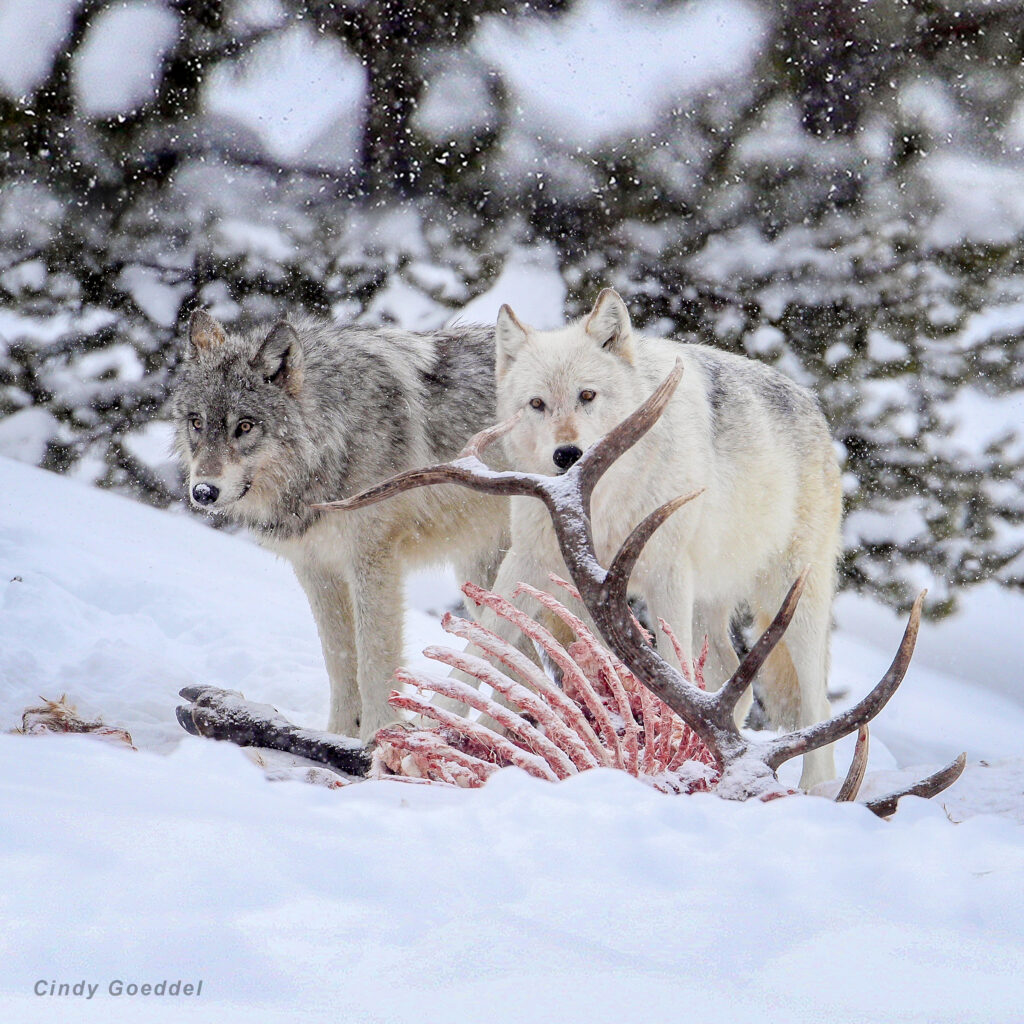
By 1996, early reintroduction success led officials to shift to a supporting effort. Yet a battle ensued to keep the program running as several lawsuits were started to halt its progress. In 2008, following the removal of wolves in Yellowstone and Grand Teton from the endangered species list, backlash from environmentalists led to their relisting. Wolves continued to shuffle on and off endangered species lists until 2017, when they were finally removed and given a restricted hunting season. Wolf observations continued for a 5-year post-delisting period. From 2021 to 2024, Yellowstone wolves experienced a dangerous population drop as changes in regulations allowed far more liberal hunting in the surrounding area. Annual wolf deaths rose from around 3 annually to approximately 12. In 2022, 25 tracked Yellowstone wolves were killed by private hunters outside the park. Sadly, wolves continue to be at risk today as hunting legislation remains somewhat lenient, and annual deaths remain high.
Photography by Cindy Goeddel
– – –

National Park Scene takes you on the scene to must-see iconic national parks from around the world. With NatPars, you can tour places you’ve never been with captivating photographs and informative commentary from the comfort of your own habitat!
